
Roof Replacement Cost

Compare tear-off and replacement prices for asphalt shingles, metal and tile. Estimate with measured roof area and check which charges need a separate quote.

U.S. planning range$8,000–$12,000

2,000 sq. ft. architectural asphalt with standard tear-off

Remodel cost estimate

Get a planning range for the work you’re considering.

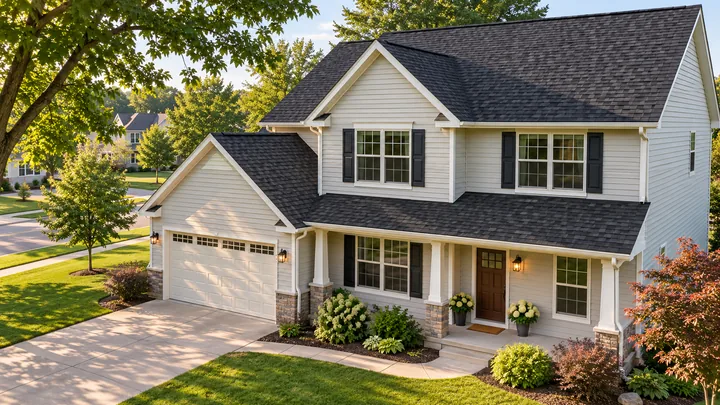
House exterior with architectural asphalt roof shingles
Illustrative roofing project

U.S. cost examples

Each example spells out the size, materials and work included in the modeled price. The price covers the selected work. Compare bid exclusions before budgeting the entire job.

U.S. project scopes on one price scaleBar shows the planning range. Dot shows the model’s planning figure.
  1. 1,500 sq. ft. architectural asphalt with standard tear-off$6,000–$9,000
  2. 2,000 sq. ft. metal roof with standard tear-off$10,000–$32,000
  3. 2,500 sq. ft. clay or concrete tile, standard replacement$17,500–$62,500
Project scopeU.S. planning rangePlanning midpoint
1,500 sq. ft. architectural asphalt with standard tear-off$6,000–$9,000$7,500
2,000 sq. ft. architectural asphalt with standard tear-off$8,000–$12,000$10,000
2,000 sq. ft. metal roof with standard tear-off$10,000–$32,000$21,000
2,500 sq. ft. clay or concrete tile, standard replacement$17,500–$62,500$40,000

Examples use the same model as the calculator above. Pricing references include HomeGuide tear-off and roof replacement ranges. See how we estimate.

Where does the same roofing job cost more or less?

2,000 sq. ft. architectural asphalt with standard tear-off. The U.S. planning figure is $10,000. The model holds scope and quantity fixed across all 50 states. The chart shows how much the state adjustment changes the U.S. estimate.

Percent difference from the U.S. baseline 0% = U.S. reference

5 highest modeled costs

  1. Illinois+15.0%
  2. New Jersey+13.3%
  3. Minnesota+12.0%
  4. Massachusetts+11.6%
  5. Alaska+7.8%

5 lowest modeled costs

  1. Oklahoma−8.1%
  2. Mississippi−7.2%
  3. Alabama−6.8%
  4. Tennessee−6.6%
  5. South Carolina−6.6%
Compare all 50 states
Modeled installed-work ranges in USD for the same job
RankStatevs. U.S.Planning range
1Illinois+15.0%$9,202–$13,802
2New Jersey+13.3%$9,062–$13,594
3Minnesota+12.0%$8,962–$13,444
4Massachusetts+11.6%$8,929–$13,393
5Alaska+7.8%$8,626–$12,938
6New York+7.3%$8,582–$12,872
7California+6.0%$8,481–$12,721
8Connecticut+4.3%$8,345–$12,517
9Hawaii+4.1%$8,328–$12,492
10Washington+4.1%$8,326–$12,490
11Rhode Island+3.8%$8,307–$12,461
12Maryland+3.0%$8,242–$12,362
13New Hampshire+2.8%$8,220–$12,330
14Michigan+2.6%$8,208–$12,312
15North Dakota+2.5%$8,199–$12,299
15Wisconsin+2.5%$8,199–$12,299
17Delaware+2.4%$8,191–$12,287
18Vermont+2.4%$8,188–$12,282
19Oregon+2.3%$8,186–$12,280
20Montana+2.1%$8,169–$12,253
21Indiana+1.7%$8,138–$12,206
22Idaho+0.9%$8,073–$12,109
23Pennsylvania+0.1%$8,008–$12,012
24Colorado−2.1%$7,830–$11,744
25Nevada−2.6%$7,794–$11,692
26Maine−3.2%$7,746–$11,620
27West Virginia−3.4%$7,730–$11,596
28Ohio−3.7%$7,702–$11,554
29Missouri−4.2%$7,662–$11,494
30Iowa−4.4%$7,651–$11,477
31Virginia−4.6%$7,630–$11,444
32North Carolina−4.7%$7,626–$11,438
33Utah−4.7%$7,625–$11,437
34Louisiana−4.8%$7,617–$11,425
35Arizona−5.1%$7,590–$11,386
36Kansas−5.3%$7,575–$11,363
37Florida−5.5%$7,559–$11,339
38South Dakota−5.5%$7,557–$11,335
39Arkansas−5.7%$7,542–$11,314
40Kentucky−5.7%$7,542–$11,312
41Georgia−5.9%$7,525–$11,287
42Nebraska−6.2%$7,506–$11,260
43Wyoming−6.3%$7,498–$11,248
44New Mexico−6.3%$7,496–$11,244
45Texas−6.5%$7,478–$11,216
46South Carolina−6.6%$7,473–$11,209
47Tennessee−6.6%$7,470–$11,206
48Alabama−6.8%$7,457–$11,185
49Mississippi−7.2%$7,422–$11,134
50Oklahoma−8.1%$7,351–$11,027

Ranks reflect the calculator’s project-specific labor weighting using May 2025 BLS Occupational Employment and Wage Statistics. Ranks use the underlying factors, and percentages are rounded. Local bids also depend on materials, access, contractor pricing and included work. Read the adjustment method.

Take a roof replacement estimate from area to contract

Start with the roof surface and the type of replacement

The national 2,000 sq. ft. architectural asphalt scenario uses $4–$6 per sq. ft. of measured roof surface for standard tear-off and replacement. That produces $8,000–$12,000 for the work in scope. A material change to metal can change both the price range and what fasteners, flashings and trim need to be specified. Price low-slope membranes as a separate assembly when a shingle scope does not describe that part of the roof.

Measure each roof plane and include overhangs. In a simple 6:12 example, the slope multiplier is about 1.118. A horizontal area of 1,800 sq. ft. would produce about 2,012 sq. ft. of sloped surface before any omitted overhangs or changes in pitch. At $4–$6 per sq. ft. that is about $8,050–$12,070. A measured roof report takes precedence over this geometry example.

HomeGuide: roof tear-off and replacement

Compare the installed assembly and the tear-off agreement

Ask how many layers the bid includes and how waste will be removed. The roof plan should identify valleys, chimney flashing, skylights, vents and changes to low-slope areas. Have the roofer identify the covering, underlayment and warranty behind the total. A cheaper bid may retain old components or exclude a separate roof section.

Agree to a unit price for concealed damage. For example, a proposal that prices two included sheets and eight potential extra sheets should identify which part is included in the base total and how the additional sheets will be authorized. Compare deck repair, fascia, gutters and ventilation as separate lines where practical.

HomeGuide: roof tear-off and replacement

Use permits and reported spending as cross-checks

The American Housing Survey covers roof additions and replacements, with a national median of $10,000 for completed hired projects in its survey window. The sample includes different roof areas, materials and years. Permit cohorts describe declared work. Ask whether the contractor’s bid includes the same roof area, covering, removal and preparation before comparing it with either source.

Keep the price of already selected work separate from potential repairs and fees. Before signing, confirm who obtains any permit, what the local authority inspects, and how material and workmanship warranties will be documented.

2023 Census and HUD survey files

Decide what the bid should cover

Compare bids using roof surface area and the same roofing system. Price tear-off, flashing, deck repairs and ventilation in plain sight.

Measure the roof planes

One roofing square equals 100 sq. ft. of actual roof surface. Ask for a plane-by-plane roof report and note roof pitch, overhangs, porches and low-slope sections. Keep the material waste separate from installed area.

Fix the covering and tear-off

Ask whether the quoted scope removes one existing layer, resets flashings and includes haul-away. Compare architectural asphalt, metal and tile only after identifying the specific product and underlying assembly.

Agree on concealed repairs

Set a per-sheet or per-area deck repair price and agree on photographs and approval before extra work. Identify valleys, roof-to-wall junctions and skylights that need additional detailing.

What to send each contractor

Send the same measurements and finish choices to each bidder. Compare written inclusions before comparing the totals.

  • Roof report with material, slope and square footage by plane
  • Number of layers, tear-off, disposal and property protection
  • Underlayment, flashings, ventilation and installation warranty
  • Deck repair unit price, permit responsibility and approval process

Measure Measured roof surface in square feet or roofing squares
Allow for Additional tear-off layers and deck replacement

What changes the cost

Measure the sloped roof surface

A 2,000 sq. ft. house does not imply 2,000 sq. ft. of roofing. Have the roofer measure each slope, include overhangs and explain access and material-order quantities. One roofing square covers 100 sq. ft.

Separate tear-off and deck repair

Ask how many layers the contractor will remove and what disposal covers. Ask for a unit charge for sheathing repairs with photographs or measurements documenting the actual work.

Specify the details that make the roof weather-tight

Ask what is included at valleys, wall intersections, chimneys and skylights. Compare the proposed underlayment, flashing, ventilation and manufacturer warranty against the same roof plan.

What households reported spending

Completed jobs with hired labor in the 2023 American Housing Survey, covering work in the 2021–2023 survey window. The survey's project category was Roofing addition or replacement.

Survey geographyMedianMiddle halfSample
United States$10,000$6,000–$15,0002,136

Remodel Atlas weighted estimates from the public survey file. The middle half runs from the 25th to the 75th percentile. Metro samples include different job sizes and can span state lines. Census and HUD American Housing Survey

Explore cost guides by state

See local examples, check what the numbers cover and start an estimate with your state selected.

COMMON QUESTIONS

Roofing cost questions

Does the roof replacement estimate include tear-off?

The replacement examples include standard tear-off. Ask for separate prices for additional layers, unexpected deck repairs, complex flashing or unusual access.

Should I enter house size or roof size?

Use measured sloped roof area when available. If you have a horizontal footprint, Advanced can estimate the sloped surface from pitch. Confirm final measurements with the roofer.

How do I compare shingle and metal quotes?

Use the same roof area and compare roof systems, tear-off, deck preparation, flashing, ventilation and warranties before comparing price.

Updated by Remodel Atlas. Our data and estimation methods.